Buyer chain-selection guide
Blockchain platform selection
Which chain should your blockchain agency recommend? A practical buyer guide to choosing Ethereum, Solana, Sui, or Hyperliquid before implementation starts.
Do not let an agency choose a chain by habit
A blockchain agency that recommends the same network for every product is telling you more about its staffing than your strategy. Ethereum, Solana, Sui, and Hyperliquid solve different problems. They also create different hiring, audit, wallet, data, validator, and go-to-market risks.
The buyer question is not 'which chain is best?' The useful question is: what does this product need to prove? Capital trust, fast consumer interaction, object-native asset design, or trading-market structure?
A good agency should be able to explain the tradeoff in plain technical language, name the failure modes, and show shipped work in the specific stack. A generic blockchain page on a services website is not evidence.
Market snapshot (May 28, 2026)
These values are inserted from a shared market snapshot and can be refreshed during build. They are context, not investment advice and not the whole chain-selection answer.
| Network | Market cap | 3-month market-cap change | DeFiLlama TVL | Buyer read |
|---|---|---|---|---|
| Ethereum | $244.0B | +4.67% | $42.2B | The conservative capital, liquidity, and EVM-standards default. |
| Solana | $47.8B | +2.59% | $5.24B | The strongest consumer-performance option for fast, low-cost interaction. |
| Sui | $3.77B | +9.06% | $538.5M | A smaller but technically differentiated Move/object-model platform. |
| Hyperliquid | $13.3B | +105.10% | $1.56B | A trading-native venue and HyperEVM ecosystem, not a generic app default. |
The agency recommendation matrix
This is the practical screen before you pay anyone to write contracts.
| If your product is... | Start with | Why | Agency proof to request |
|---|---|---|---|
| Tokenization, RWAs, stablecoins, treasury, DAO, institutional DeFi | Ethereum or an Ethereum L2 | You benefit from EVM standards, liquidity, custody familiarity, auditors, and institutional trust. | Solidity/EVM contracts, audit history, ERC standards, L2 deployment reasoning, monitoring and incident playbooks. |
| Consumer app, trading UX, game, mint, mobile flow, payment-like interaction | Solana | Low fees, fast interaction, and one primary execution environment matter more than conservative settlement branding. | Rust/SVM programs, account-model design, Solana wallet flows, priority fees, RPC/indexing choices, and mainnet references. |
| Object-heavy game, credential, inventory, commerce, programmable asset workflow | Sui | Sui Move and the object model can represent owned assets and typed state more naturally. | Move code, object-model design, PTB examples, Sui data/indexing approach, wallet and storage-cost handling. |
| Perps, vault analytics, orderbook tools, market-making, trading dashboards | Hyperliquid | The native product is the market venue itself: order books, funding, liquidations, vaults, and HyperEVM adjacency. | Hyperliquid API work, orderbook data, margin/liquidation knowledge, HyperEVM integration, HIP-3 risk understanding. |
| Still uncertain or multi-chain | Run a paid discovery sprint | Wrong-chain rewrites are expensive, especially when token standards, wallets, data, and audits are already built. | A written chain-selection memo with assumptions, risks, architecture sketch, and exit criteria. |
Ethereum agency diligence
An Ethereum agency should sound fluent in standards and risk. ERC-20, ERC-721, ERC-1155, proxy upgrade patterns, multisig ownership, role-based access, event indexing, custody workflows, wallet support, L2 selection, bridge assumptions, and audit readiness should all be normal topics.
Ethereum is not always the best UX layer. Many projects should deploy on an L2 or use Ethereum as a settlement and credibility anchor rather than putting every user action on mainnet. The agency should be able to explain that without hand-waving.
The red flag is simple: if the agency only says Ethereum is 'secure' and cannot discuss rollups, gas, standards, or failure modes, it is selling brand familiarity, not architecture.
Solana agency diligence
A Solana agency should be able to talk about programs, accounts, PDAs, SPL tokens, token extensions, compute units, priority fees, wallet adapters, RPC/indexing choices, testing, and operational monitoring. Solana skill is not just Solidity with faster blocks.
Solana is attractive when a user will touch the chain repeatedly. If the business model requires cheap actions, fast trades, game loops, mobile UX, or payment-like flows, the chain can make the product feel much better.
The red flag is an EVM shop that treats Solana as a checkbox. Ask for shipped Solana programs, not just web3 frontend work.
Sui agency diligence
A Sui agency should sound different from a Solana or Ethereum agency. Move, objects, owned versus shared state, programmable transaction blocks, storage, wallet support, data access, and object indexing should all be in the conversation.
Sui makes the most sense when the product state itself benefits from typed ownership: game assets, credentials, inventory, programmable commerce, ticketing, device or agent permissions, and workflows where objects move through multiple operations.
The red flag is generic 'Move chain' language. Sui's object model is the point. If the agency cannot explain it, it probably cannot design around it.
Hyperliquid agency diligence
A Hyperliquid agency should sound like it understands trading systems. Order books, funding, leverage, margin, liquidations, vault risk, builder codes, HyperEVM, oracle definitions, and HIP-3 market operation are not optional vocabulary.
Hyperliquid is compelling when the product is close to market structure. It is not the first place to build a generic consumer app or an institutional tokenization rail. It is where trading-native products can use a live venue as infrastructure.
The red flag is treating HyperEVM like any other EVM deployment. The reason to be on Hyperliquid is adjacency to HyperCore and trader flow.
What to ask before signing a blockchain agency contract
The answers should be specific. Vague confidence is cheap.
| Question | Good answer sounds like | Bad answer sounds like |
|---|---|---|
| Why this chain instead of the closest alternative? | A tradeoff memo naming liquidity, UX, validator risk, developer hiring, audits, wallet support, and data infrastructure. | Because it is fast, popular, cheap, secure, or what we usually use. |
| What are the most likely failure modes? | Gas/fee shock, RPC dependency, wallet friction, liquidity fragmentation, validator/client risk, oracle risk, or audit bugs depending on the chain. | There are no major risks. |
| What stack-specific work have you shipped? | Mainnet references, code samples, audits, incident responses, or operating dashboards in the actual target stack. | We have blockchain experience. |
| What would make you change the recommendation? | Clear exit criteria: user volume, wallet support, liquidity target, compliance requirement, latency requirement, or market integration need. | Nothing; this is definitely the best chain. |
The buyer's bottom line
A buyer does not need to become a protocol engineer, but they do need to know what kind of risk they are buying.
- Pick Ethereum when the work needs trust, liquidity, EVM standards, conservative buyers, or mature audit and custody rails.
- Pick Solana when user interaction volume, low fees, fast UX, and a single performance-oriented environment matter most.
- Pick Sui when object-native assets, Move safety, and typed ownership are central enough to justify a smaller ecosystem.
- Pick Hyperliquid when the product is trading-native and benefits directly from orderbook, perp, vault, or HyperCore state.
- Make the agency write down the tradeoff before implementation. The memo is cheaper than a wrong-chain rebuild.
Blockchain platform selection FAQ
Buyer questions that should be answered before scope, not after launch.
Should my blockchain agency pick the chain for me?
It should recommend a chain, but the recommendation should be written and testable. Ask for the alternatives considered, the main risks, the assumptions, and what new evidence would change the recommendation.
Is Ethereum always the safest choice?
Ethereum is often the safest credibility and liquidity choice, but not always the best product choice. Consumer apps, games, and high-frequency flows may work better on Solana, while object-heavy apps may justify Sui and trading products may justify Hyperliquid.
Can one agency be good across Ethereum, Solana, Sui, and Hyperliquid?
Yes, but only if it has real specialists. These stacks differ in language, execution model, data access, validator assumptions, wallet behavior, and audit process. Ask who specifically is doing the work.
How much should market cap matter in chain selection?
Market cap matters as a signal of ecosystem gravity and risk tolerance. It should not override product fit. A high-market-cap chain can still be wrong for the job, and a smaller chain can be right if its architecture solves the core problem.
Sources behind this guide
Market values are dated. Technical selection should be based on current docs, shipped examples, and buyer-specific constraints.
Used for market cap, market rank, 30-day token change, and 90-day market-cap change calculations.
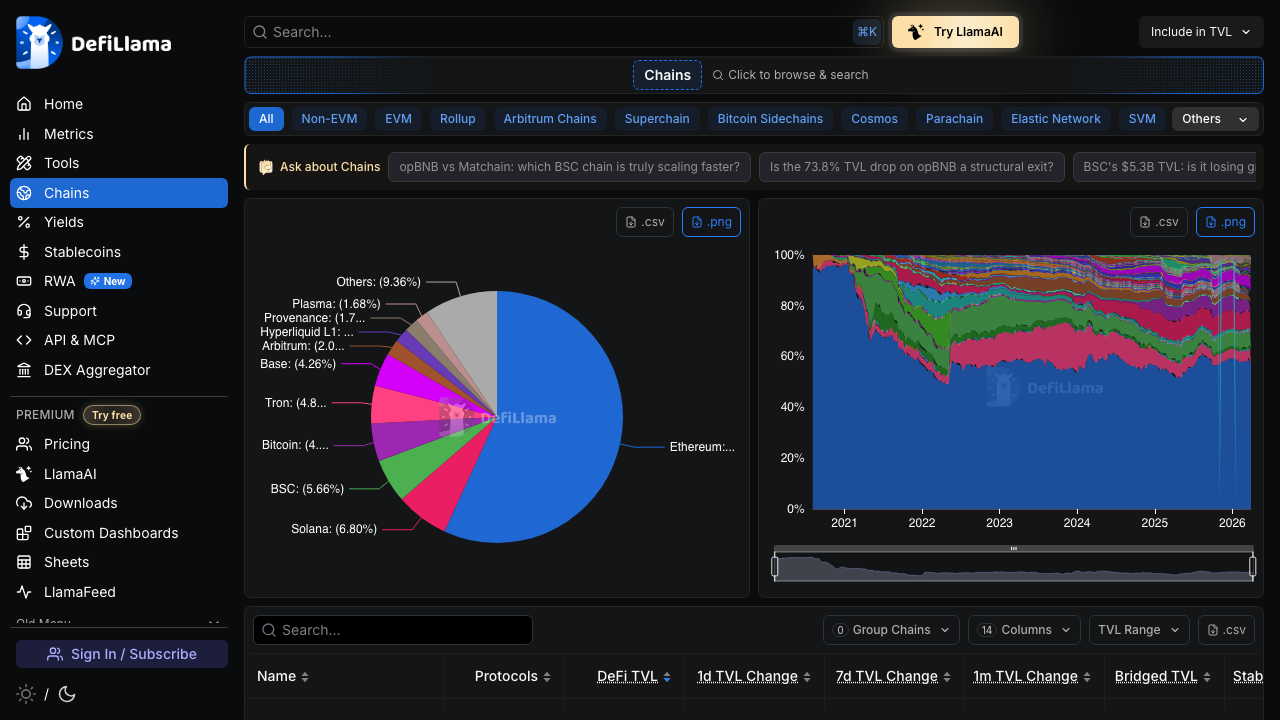
Used for chain-level TVL context.
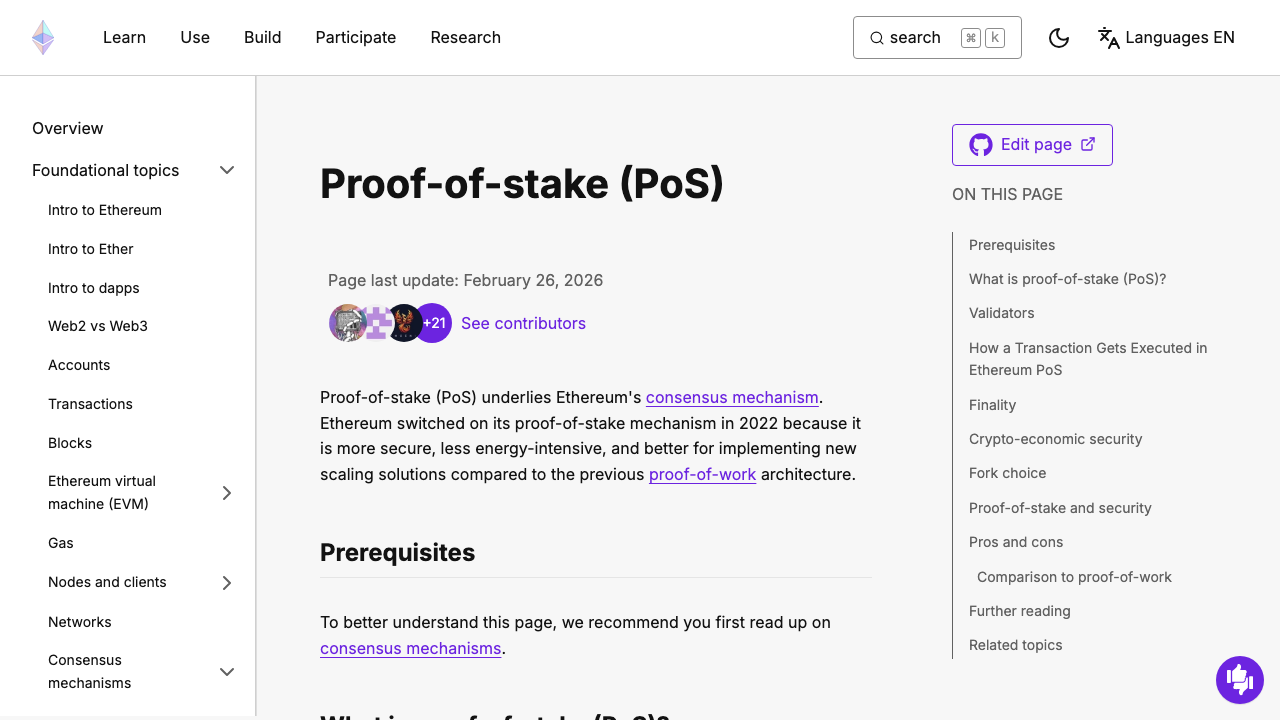
Grounds Ethereum validator and trust-model context.
Grounds Solana delegation, rewards, validator, and slashing context.
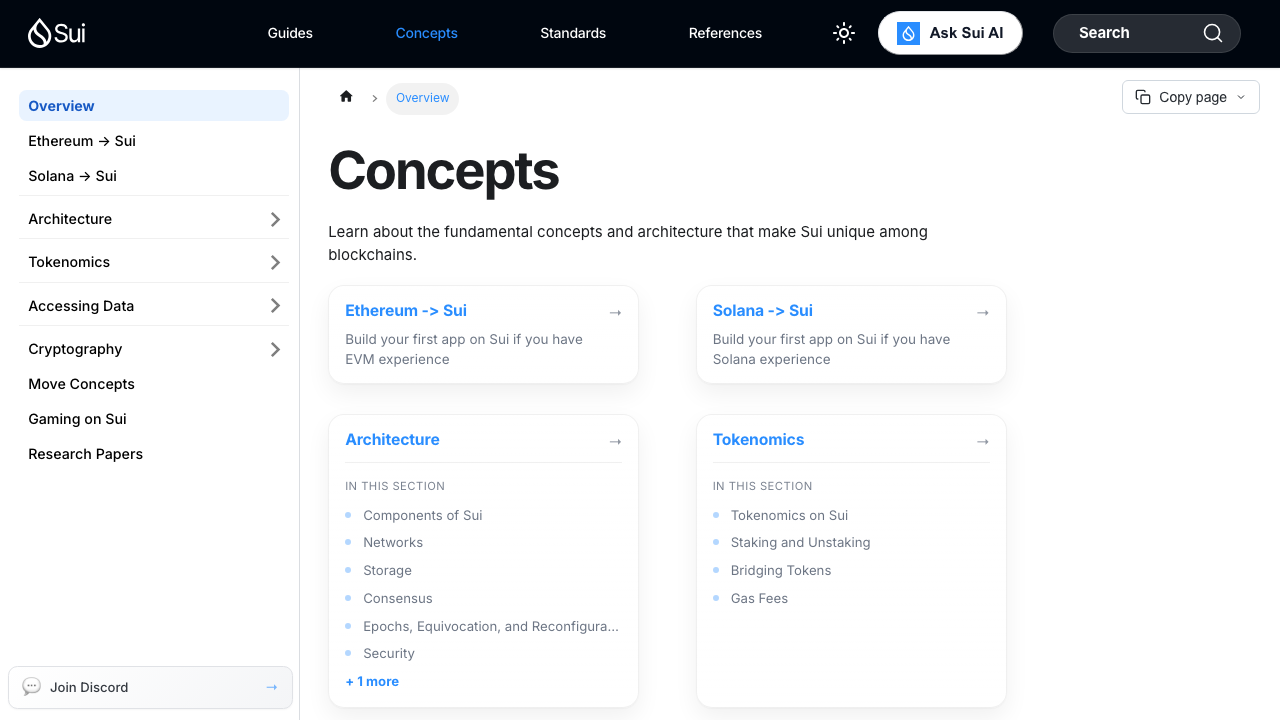
Grounds Sui's object-oriented and Move-based platform framing.
Grounds Hyperliquid validator, reward, jailing, and HyperBFT context.
Grounds the HyperEVM and HyperCore adjacency discussion.